
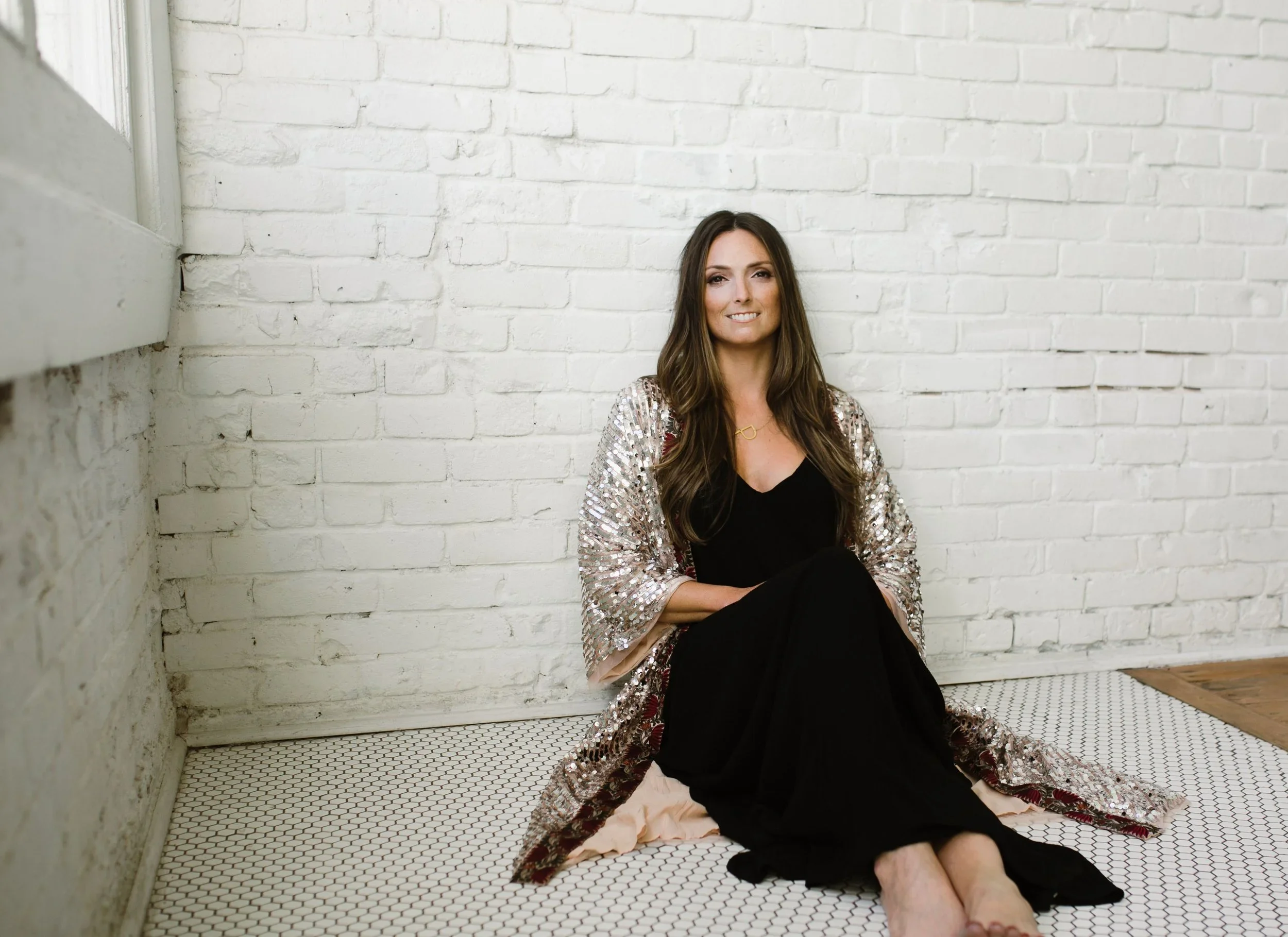
Meet Paige Lavell
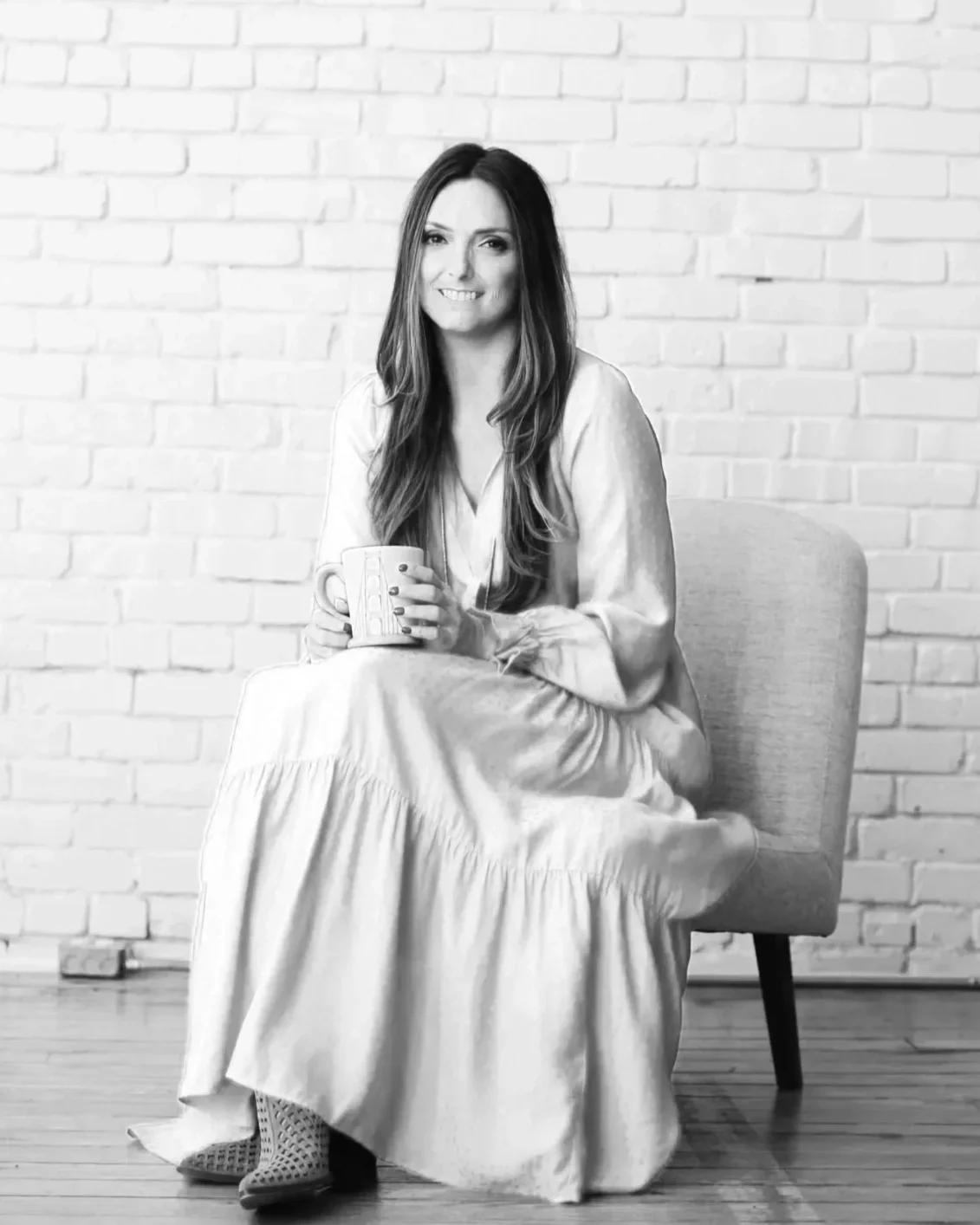
paige lavell
Paige Lavell is the author of Invisibly Unwell, exploring autoimmune disease beyond wellness culture and the quiet suffering masked by achievement, perfectionism, and the pressure to keep it all together.
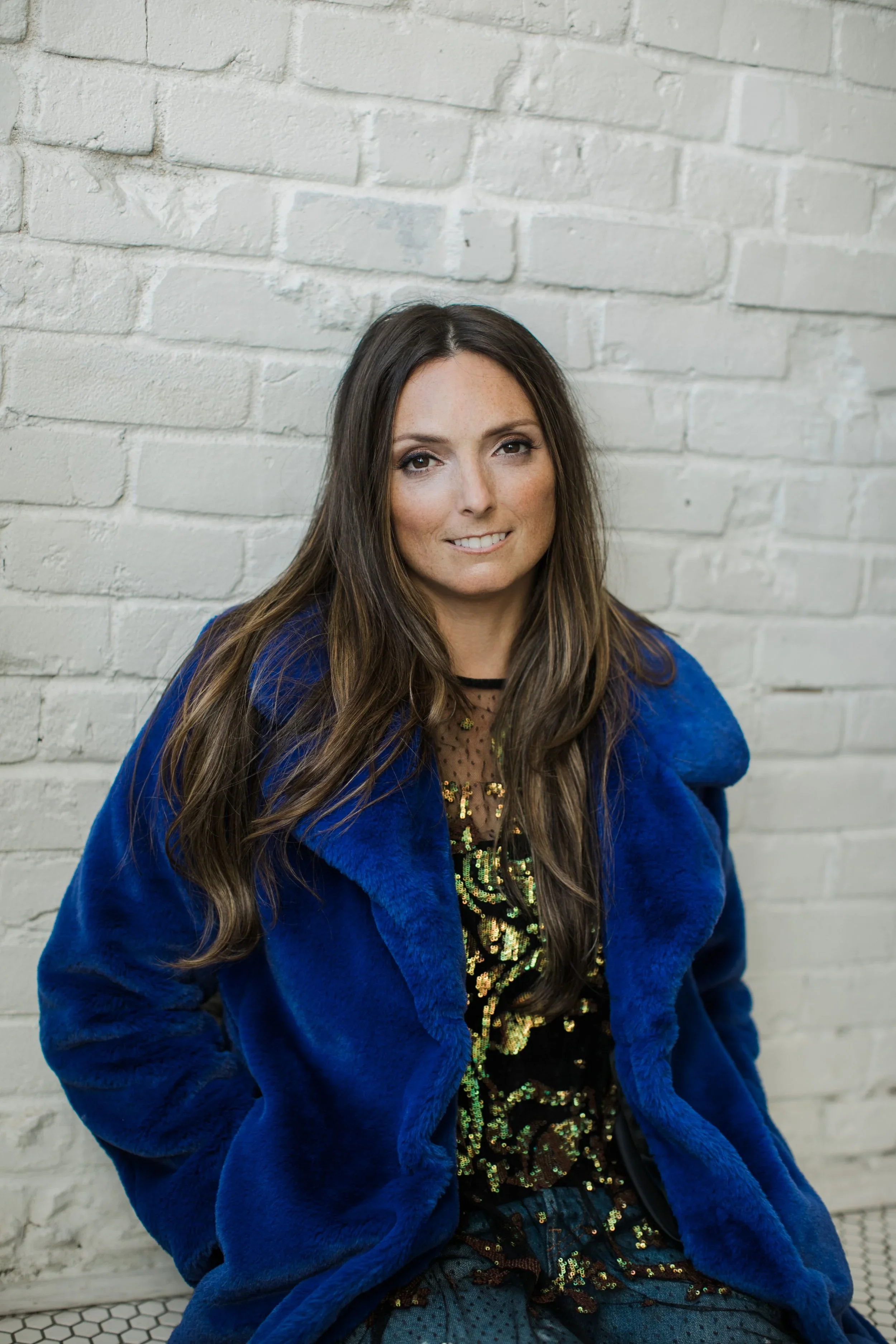
I didn’t set out to build a platform. I was just trying to make sense of my own health.
Autoimmune disease has a way of forcing honesty. It disrupts the pace you’re used to. It makes “powering through” stop working. And if you’re an ambitious woman who’s built a life around being capable, reliable, and high-functioning, that collision can be… disorienting.
For a long time, I looked fine. I kept working, kept producing, kept achieving. And I got very good at minimizing what was happening, both to other people, and to myself.
What surprised me most wasn’t just the medical reality. It was what came with it.
Because for many women, autoimmune disease doesn’t show up alone. It often overlaps with patterns we've normalized for years: perfectionism, people-pleasing, disordered eating, over-functioning, and a deep resistance to slowing down until the body forces it.
In a strange way, the physical diagnosis became a gateway. It was easier to talk about symptoms first, because you can separate yourself from them. I have a disease. That’s not who I am.
But once that “veneer” cracked, other truths started to surface. The ones that carry more shame. The ones we don’t casually say out loud. And the number of women who responded with some version of “oh… me too” was impossible to ignore.
That’s why Invisibly Unwell exists.
Not to tell you what to do or believe.
But to help you understand what’s happening so you can make informed choices in your own body, in your own life, in the season you’re in right now.
When the mug shattered, so did my veneer.
I was standing in my white, modern farmhouse kitchen, holding a Crate & Barrel mug I had chosen because it was the mug I was supposed to want. Clean. Neutral. Perfectly proportioned. The kind of object that shows up effortlessly in Pinterest searches for “modern farmhouse kitchen inspiration.”
That morning, it felt foreign in my hand.
I traced my finger along the rim, mindlessly dipping it into the coffee. The heat was sharp and immediate, enough to scald even nerves already dulled by Raynaud’s. I leaned into the pain for a brief moment. Then I let go.
The mug crashed onto the white tile floor, and rivers of deep, dark coffee spread outward, weaving an uneven pattern across the pristine surface. I didn’t rush to clean it up. I stood there and watched as the liquid flowed along the grout, seeping from one tile to the next.
As the coffee spread, a deep sadness settled into my chest, leaving almost no room to breathe.
The kitchen I had so intentionally and carefully designed felt unfamiliar, like a set I had wandered onto by mistake. I was standing inside the Pottery Barn version of a Barbie dream house, moved by something unconscious, a force controlling my actions, my preferences, even my sense of self. I felt caged.
The ache ran deeper than anything I had known before.
Who was I without my accomplishments?
Without my successful career?
Without my attractive, athlete husband?
Without the life I had worked so hard to build?
When the mug dropped and broke, so did my grip on everything I’d been holding together.
When I began questioning and sharing (cautiously, imperfectly) with other women about my health, identity, and autoimmune journey, something unexpected happened. I wasn’t met with confusion or distance. I was met with recognition.
From women who looked put-together. Successful. Admired. Women who were also quietly unraveling. Feeling isolated. Women who were invisibly unwell.
High-achieving women are especially good at internalizing their stories. We learn early that vulnerability has consequences. That showing strain exposes a weakness in the armor we’ve worked so hard to build in a culture that rewards endurance over honesty.
So we cope in the dark. We push through in public. We manage symptoms in private. And when the system doesn’t support us, we assume the failure is personal.
It took me years to tell the truth about my own experience. Not because I lacked insight, but because I was afraid of what honesty might cost me.
What surprised me most was what happened when I finally spoke. It wasn't rejection. It was connection.
Sharing my story didn’t diminish me. It gave language to experiences many women had been carrying alone for years. My words carried power against the shame that I and other women felt. We were no longer alone.
Invisibly Unwell grew out of that realization.
This work is not about “fixing” yourself. It’s not about finding the perfect protocol or becoming more disciplined. It’s certainly not about pushing harder. It’s about understanding what’s happening in your body, in your patterns, and in the systems we’re all navigating, and reclaiming your right to care that actually fits your life.
I created Invisibly Unwell because I needed it myself. Because I wanted a place that didn’t talk down to women or reduce complex bodies to bullet points, or a place to simply wallow in how hard it is. A place grounded in credibility, nuance, and lived experience. A place that acknowledges how much effort it takes to look “fine” and how heavy that performance can become.
If you’re here, there’s a good chance you recognize yourself somewhere in this story.
I want you to know:
You’re not broken.
You’re not failing.
And you’re not alone.
Thank you for being here.
I hope this space helps you feel seen, and steadier, as you find your way.
What I do hereInvisibly Unwell is built around three things:
Credible information
Deep, practical conversations with clinicians, nutritionists, researchers, and practitioners who work directly with autoimmune disease and chronic illness.
Lived insight (without the influencer energy)
I share my experience because it’s real, and because it helps people feel less alone. This isn’t “my way is the way.” It’s honesty, context, and pattern recognition.
Tools for self-advocacy and self-management
Because healthcare systems are fragmented, overwhelming, and often not built for patients, especially women. I focus on helping you organize your story, ask better questions, and advocate for yourself without walking into every appointment ready for a fight.
who is this for?
This work tends to support two types of women most:
-
You’ve been dealing with symptoms for a long time, and you finally have a name for what’s happening… but you’re standing at the beginning with a million questions and no clear path.
-
You’ve tried the basics. You’ve been told to “take this and you’ll be fine.” You’re still not fine. And you’re tired of being minimized, dismissed, or left to figure it out alone.
My Approach
I’m not prescriptive. I’m not here to hand you a rigid plan. And I’m not interested in #wellness culture that requires you to “pick a side.”
I am interested in helping you build your own mix: a realistic, sustainable combination of what supports your health, based on evidence, lived experience, and the life you actually have.
That means:
asking better questions
experimenting carefully
noticing patterns
recognizing when “success strategies” stop working in the body
and learning to slow down without shame
The tone here is serious, but not scary.
Educated, but not clinical.
Honest, but not doom-and-gloom.
Think: an informed conversation among peers.